

In the early hours of 25 April 2026, the Tuareg forces of the Azawad Liberation Front (FLA), in coordination with al-Qaeda-affiliated jihadists (Jama'at Nusrat al-Islam wa'l Muslimin, JNIM), launched a series of joint attacks against the Malian Government - backed by the Russian Africa Corps - seizing numerous checkpoints, bases, and populated centres and capturing large quantities of military equipment across several areas of the country (the main cities affected are circled in red on the map).
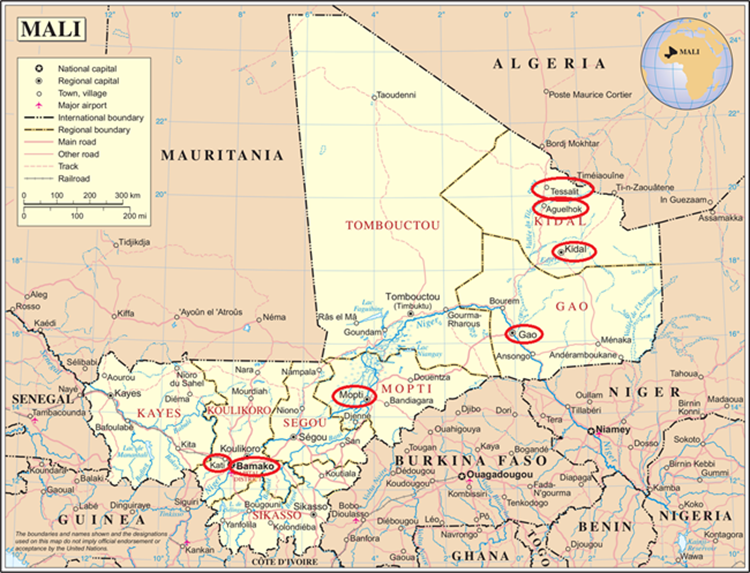
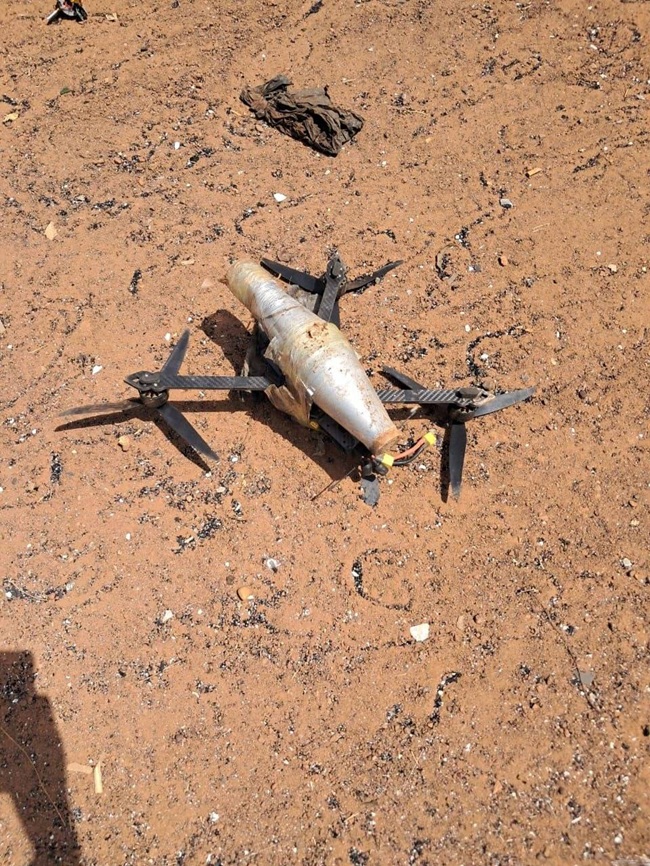
In the north, FLA forces (aided in part by Ukrainian and French intelligence and SOF elements) managed to retake control of Kidal - where a UAV ground control station for TB-2 drones is reported to have been captured - forcing part of the joint governmental units (Forces Armées Maliennes, FAMa) and Africa Corps to fall back, and leaving the towns of Aguelhok and Tessalit isolated. In this area, FLA forces also employed FPV drones. Simultaneously, in the south, JNIM carried out a series of coordinated attacks against government positions in the Gao, Mopti, and Kati areas - the latter hosting one of the Africa Corps' main bases - and even at the gates of the capital Bamako, temporarily occupying several military installations and shooting down a Russian contingent helicopter, most likely a Mi-8AMTSh.
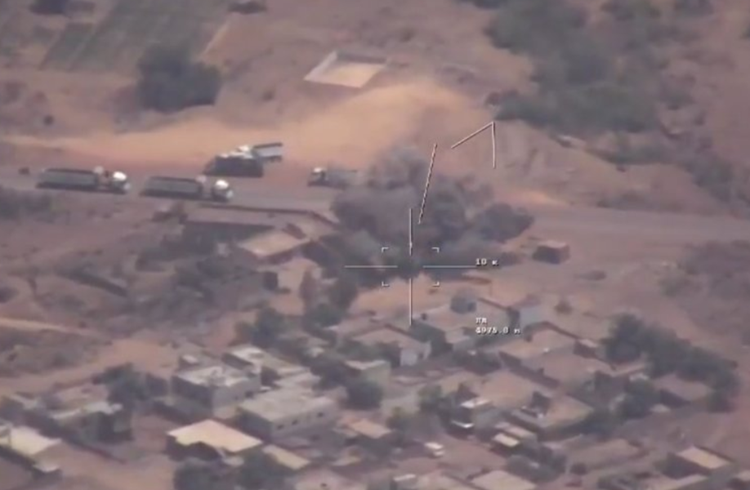
For much of 25 April, the situation appeared particularly critical for Bamako, with rebel elements able to infiltrate deep into government-controlled territory. Despite the breadth and speed of the initial advance, the Malian Armed Forces managed to reorganise and restore a degree of operational stability, aided by the timely intervention of the Africa Corps. Government units drove the jihadists back from the outlying towns of Kati and Ségou, contributing to the securing of the capital, and inflicted significant losses on JNIM, destroying numerous vehicles - including through the use of Russian ORION armed UAVs, as documented by images and videos circulating online. As observed in previous offensives, JNIM forces demonstrated a considerable capacity to rapidly overrun government positions and depots, exploiting the high mobility provided by light vehicles such as motorcycles and pickup trucks.
However, they continue to face difficulties in holding territory over the medium term, primarily due to logistical constraints and a shortage of heavy weapons. The situation appears different for FLA units, which operate in predominantly Tuareg areas and can rely on more favourable supply lines along the Algerian border. Between 25 and 26 April, government forces managed to retake control of Sévaré (Mopti region), previously contested, and to defend Gao, where Africa Corps units maintained control of the local airbase by repelling repeated attacks and forcing the jihadists to retreat into the desert overnight. At the same time, reports emerged of negotiations between the Africa Corps and FLA/JNIM forces to secure a safe withdrawal from isolated positions in the north - Kidal, Tessalit, and Aguelhok - which were still holding out thanks to air support provided by Russian Mi-8AMTSh helicopters, but were by then cut off from ground logistics lines.
Following the negotiations, Africa Corps convoys began evacuating the 3 localities, transporting wounded personnel and heavy equipment. This partial disengagement contributed to reigniting the fighting, further exposing the government units remaining in the field — units that had been excluded from the negotiations, a fact that has evidently damaged the Russian contingent's standing in the eyes of the junta.
Of particular significance is the recent withdrawal of the Tessit garrison, which also took place following agreements with rebel forces. In this case, according to available information, the negotiations reportedly involved not only Russian mercenaries but also regular units of the Malian Army. This would represent the first position ceded to the rebels west of the Niger River - a development that may indicate ongoing negotiations for other localities in the area, and that raises the prospect of further attacks against government strongholds in the centre and south of the country. These agreements are also said to have been facilitated by the heavy losses sustained by the Tuareg-jihadist coalition during the offensive, with over 1,000 fighters killed and numerous vehicles destroyed.
On the political-military front, the offensive has had significant consequences: Malian Defence Minister Sadio Camara was killed in one of the attacks, depriving the junta of a key figure in its relationship with Moscow. Despite the extremely fluid situation on the ground, all indications point to a possible redrawing of the front line along the Niger River and, in effect, the reversal of the gains achieved by the Russian contractor-backed government offensive of 2023 - while the country's internal cohesion and stability face their gravest threat in years.



Privacy Policy

Powered by © Mobilbyte s.a.s. Information Technology