



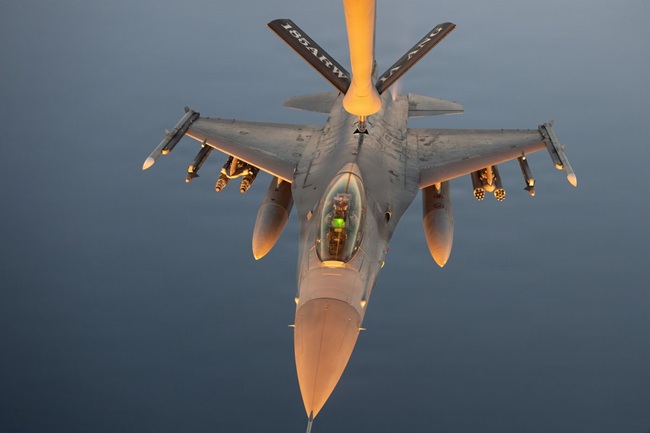
Over the past 48 hours, the U.S.-Iran conflict has entered a new phase of escalation.
On the U.S. side, CENTCOM raids — now in their 6th consecutive night — have expanded northward toward Parchin and the areas south of Tehran, with Iranian air defenses active over the capital, and westward as far as Khorramabad, where the Imam Ali missile base was struck. At the same time, on the night of July 16-17, non-military targets were hit: 5-6 bridges in Khamir county (Hormozgan), the Bandar Abbas railway junction, the maritime traffic control tower of Chabahar port, and Iranshahr airport.
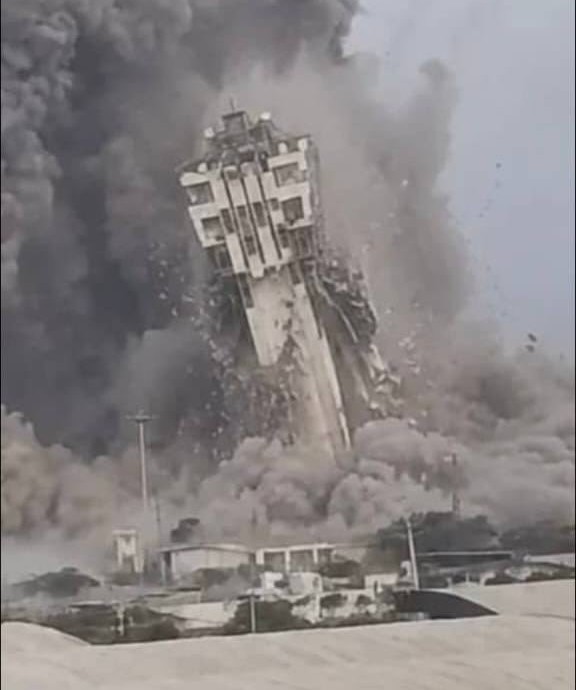
The westward extension of the raids is not, however, translating into any real interdiction of Iranian launches from those provinces, from which the bulk of the ballistic salvos continues to originate. Striking in depth across a theater like Iran would require a mass of attack the United States does not currently have in the area of operations — unless the Israeli Air Force, so far uninvolved, rejoins the fight — or the use of precious stand-off munitions in large volumes, which, as we have repeatedly stressed, the U.S. cannot afford to expend after what was consumed during the 40-day war with Tehran. Added to this is the inability to use Ben Gurion airport in Tel Aviv, where a substantial number of tankers (over 20) were and remain concentrated, owing to the summer holidays in Israel. Most U.S. strikes consequently remain concentrated in the south and along the coast.
Iran has been responding for days with salvos of ballistic missiles, cruise missiles, and drones, but in recent days it has raised the stakes. On July 17, for the first time since the July resumption, it also struck Qatar (the Al Udeid base), while it continues to bombard Bahrain, Jordan, and Kuwait, all hit repeatedly in preceding days. In Bahrain, the 5th Fleet Headquarters (or what remains of it) and an oil facility belonging to the Bahrain Petroleum Company (BAPCO) were struck, with Iranian missiles "punching through" the shield of the PATRIOT batteries on at least 2 occasions. In Jordan, the Muwaffaq Salti, King Faisal (5 impacts visible by satellite), and Prince Hassan (a helicopter hangar hit) bases were struck. Fresh strikes also hit Kuwait, primarily against the Ali Al Salem base — also struck by ARASH-2 drones launched by the regular Iranian Army (Artesh) — along with unspecified targets near the border with Iraq (regarding which the Iranians claimed the engagement of 2 HIMARS launchers firing ATACMS/PrSM tactical ballistic missiles). Several attacks were also reported in Iraqi Kurdistan, where Erbil airport (the U.S. base) and the Komala peshmerga camp (near Sulaymaniyah) were hit, the latter targeted by at least 5 drones. The IRGC further claims pinpoint strikes against the U.S. special forces command center at al-Tanf (Syria), which the Americans say they have abandoned, and against a hotel in Duqm (Oman) reportedly housing U.S. personnel. Finally, in response to Iranian strikes against civilian infrastructure, Iran struck and damaged a desalination plant in Kuwait, as confirmed by local authorities.
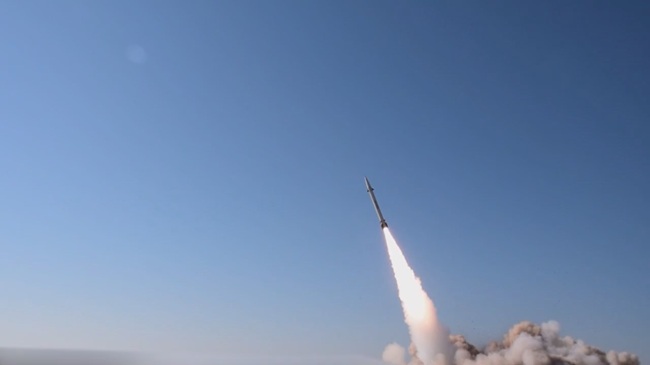
Iranian precision is particularly striking, especially against targets in Jordan and the UAE, where at least 3 "reinforced" warehouses at the Sheikh Zayed military citadel were hit accurately using 3 missiles (1 per target). Iranian technicians are likely introducing a series of refinements learned from the lessons of the 40-day war, while making the most of Russian intelligence support. The Emirates responded by taking an active part in the strikes in southern Iran: a video shows a YABHON loitering munition in flight over the Iranian port city of Bandar Abbas.
Overall, we have entered a new phase of the conflict between Iran and the United States, one that sits midway between total war and the proportional, low-intensity "tit-for-tat" seen for a couple of weeks after the ceasefire was reached — a ceasefire that can now be considered definitively dead and buried.




Privacy Policy

Powered by © Mobilbyte s.a.s. Information Technology