



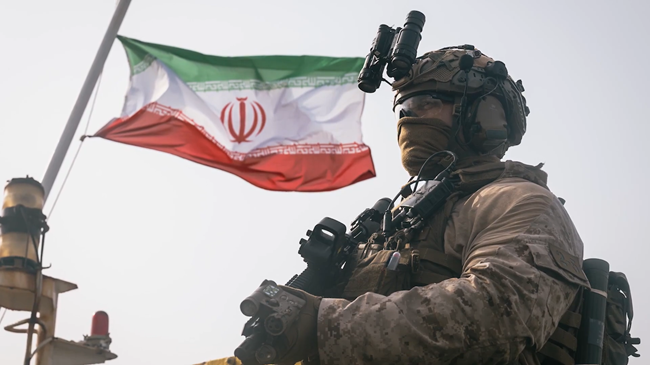
Calm has returned to the Strait of Hormuz over the past few days following recent escalation, but the strategic temperature remains dangerously elevated. A fresh southern front has materialized: Saudi Arabia continues struggling to contain waves of drone and missile attacks by Houthi forces against its refining infrastructure. In 2 days alone, strikes hit the Yanbu refinery — which burned for at least 48 hours — and the Abqaiq installation.
The so-called Axis of Resistance, Tehran's regional coalition, demonstrates persistent resilience despite years of attrition. This poses acute problems on 2 fronts.
First, for the security of Gulf Arab states. Iranian missiles and drones have repeatedly penetrated regional air defence systems, striking strategic infrastructure and sensitive targets with operational precision. The destruction of early-warning radars in the opening days of the conflict compressed warning times and severely degraded defensive postures. The Iranian Revolutionary Guard Corps (IRGC) demonstrated sophisticated intelligence, targeting, and drone-missile mission planning — likely aided by Russian technical support and lessons from 4+ years of UAV deployment in Ukraine, particularly experience with SHAHED and GERAN family of systems.
The second problem reaches across the Atlantic. Despite sustained effort and enormous material expenditure, Washington has failed to neutralize Iranian resistance. Iran's geographic depth, redundant command-and-control architecture, and distributed military posture have allowed Tehran to absorb strikes and maintain leverage in negotiation. The toll on US resources has been extraordinary: the Pentagon has expended vast quantities of TOMAHAWK cruise missiles, THAAD and TALON air defence systems, and PATRIOT batteries — not so wise for long-term stockpile's health. Yet the Pasdarans remain, contesting Strait transit point by point and continuing to raise demands over nuclear issues and other negotiating agendas.
US political-military credibility has rarely been lower. Washington cannot defend its regional allies, who face continuous threat from Tehran, and cannot capitalize on overwhelming technological superiority — constrained by domestic political considerations and strategic sustainability over the medium term. This constitutes a problem of considerable weight, one other powers are studying closely. The question of how Western military instruments should be reconceived deserves serious examination.




Privacy Policy

Powered by © Mobilbyte s.a.s. Information Technology