



As hybrid threats multiply across Europe, EU defence ministers are intensifying efforts to coordinate a collective response. On 28 September, they opened talks to align European action against threats that remain below the threshold of armed aggression.
On the agenda in Brussels was the proposed Emergency Security Protocol, a mechanism introduced by Commission President Ursula von der Leyen in her State of the Union Speech earlier this month to address what Brussels sees as a growing and increasingly urgent grey zone in European security.
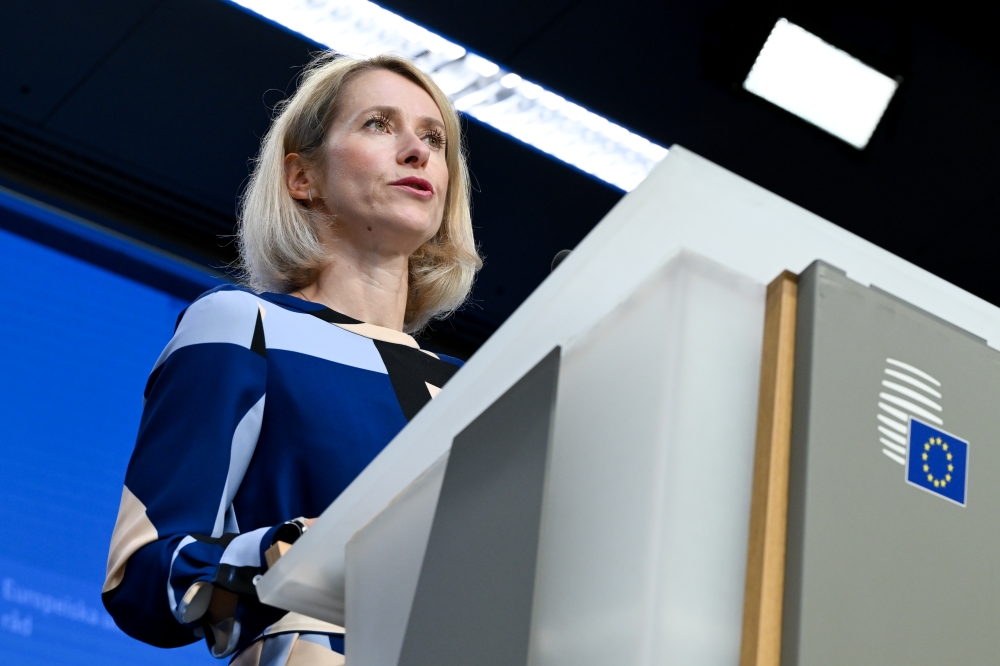
The goal, according to EU High Representative Kaja Kallas, is to pinpoint which existing instruments in the EU “toolbox” could be coordinated under the protocol. For now, deliberations are still in their infancy. The EU top diplomat described them as a “very initial discussion”, emphasising that exchanges with member states would continue at different levels. Diplomatic sources noted the mechanism could cover cyberattacks, drone incursions, and acts of sabotage.
A central consideration in shaping the protocol is avoiding duplication with NATO, particularly since von der Leyen has called it “Europe’s own Article 4”. Kallas underscored that the new mechanism must be “absolutely in complementarity” with the Alliance. Unlike Article 4, which is primarily about consultations among allies, the EU protocol would focus on concrete response tools for threats below the threshold of armed aggression.
The discussion comes as European concerns grow over hybrid operations attributed to Moscow. On the same day, the EU foreign policy chief pointed to Russia’s sustained campaign of sabotage, arson and airspace violations, aimed at intimidating European societies and undermining support for Ukraine.
Capabilities
Meanwhile, Brussels is working to address shortfalls in conventional military capabilities. That day, ministers approved the initial five European Defence Projects of Common Interest (EDPCIs), which include drones and counter-drone systems, maritime and seabed defence, space, integrated air and missile defence, and protecting Europe’s eastern flank. The Commission selected these projects in July from nine proposals submitted by member states.
The EDPCIs are now eligible for funding through the European Defence Industry Programme (EDIP), which has earmarked €325 million to support their launch and implementation, as part of a €1.5 billion programme for 2025-2027. The goal is for member states to jointly develop systems too complex for individual nations to build alone.
In the meantime, the European Defence Agency is also set to strengthen its role, with ministers approving the next phase of its reinforcement in joint procurement, defence innovation and capability development, Kallas said.
This industrial and institutional push comes as Brussels acknowledges that Europe continues to lag in defence capabilities.
In this regard, the European Defence Agency’s annual Defence Readiness Report, previewed by the press, highlighted significant gaps in air and missile defence, ground combat, naval forces, munition stockpiles, and drones, emphasising the need to accelerate preparations for 2030.
Reuters, having viewed the report’s executive summary, noted that Europe must move “further and substantially faster” to achieve its readiness objectives. On this subject, Kallas was direct: “Europe needs a decisive change in the scale and pace of defence investment, capability development, innovation and industrial capacity.”
Ukraine
For Ukraine, the immediate priority is air defence. "We have already approved procurement plans worth €28.3 billion under the Ukraine Support Loan, and these include purchases of Patriot missiles from future U.S. production. However, missile production takes time, and Kyiv needs Patriots now" Kallas said.
One option discussed by member states is for countries to provide Ukraine with interceptors from their own stocks, with later replacements financed through the Ukraine Support Loan. However, Kallas made clear during the press conference that member states had not yet made any new commitments on the proposal.
Member states alsodiscuessed Ukraine’swiader financingrequirements. Several advocated advancing a portion of the €90 billion loan allocated for 2027. According to Kallas. Ukraine could also access up to €20 billion in remaining funds from the SAFE defence initiatives.
The EU has already approved €28.3 billion in procurement initiatives as part of the Ukraine Support Loan. In parallel, member states agreed on how to distribute €6.6 billion from the European Peace Facility. Kallas said the next step would be to discuss with member states how to top up the EPF with new money, including after the current EPF cycle ends.
In summary, Brussels presents an image of Europe advancing on three simultaneous fronts: mounting a coordinated response to persistent hybrid threats, strengthening military capabilities, and intensifying support for Ukraine.




Privacy Policy

Powered by © Mobilbyte s.a.s. Information Technology