



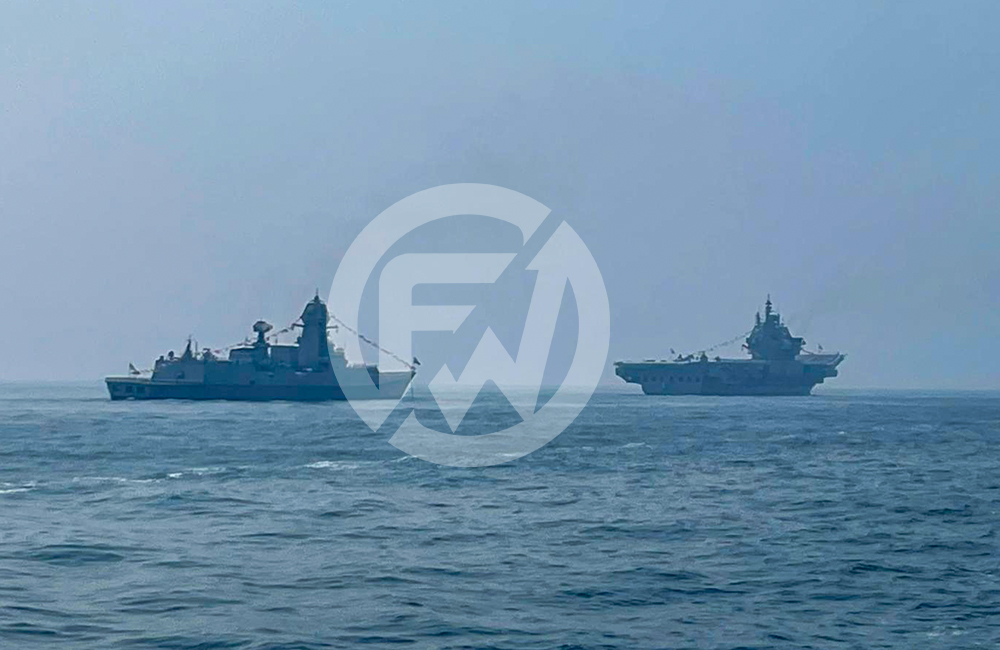
On 18 February, the first of three major events officially began in Visakhapatnam, in the State of Andhra Pradesh (Southern India), placing India at the center of an intense series of initiatives over the coming weeks involving the Indian Navy and other navies from around the world.
The city, home to the Eastern Naval Command, is currently hosting the International Fleet Review (IFR) 2026, which will be followed by Exercise MILAN 2026 and the Indian Ocean Naval Symposium (IONS) Conclave of Chiefs. The three events will bring together delegations from over 100 countries, as well as around 100 ships including aircraft carriers, destroyers, frigates, corvettes, submarines and patrol vessels, in addition to amphibious platforms and naval aviation assets from foreign navies.
This morning FW MAG we had the opportunity – thanks to an invitation from the Indian Ministry of External Affairs, which will host us in the coming weeks for a “Familiarization Visit” across different parts of the country – to attend the opening ceremony of the International Fleet Review firsthand. We observed the ceremony from aboard one of the Indian Navy’s SUKANYA-class patrol vessels.
Unlike Exercise MILAN 2026, which will begin tomorrow, the IFR is a more “ceremonial” event in nature. On this occasion, the Indian Navy’s fleet is deployed outside the port of Visakhapatnam, in the Bay of Bengal, and is formally reviewed by the President of India (in this case, President Droupadi Murmu) in her capacity as Supreme Commander of the Armed Forces.
The current edition also features ships and aircraft from 21 countries: Australia, Bangladesh, Indonesia, Iran, Japan, Malaysia, Maldives, Myanmar, Oman, the Philippines, Russia, South Korea, Seychelles, South Africa, Sri Lanka, Thailand, the UAE, the USA, Vietnam, France and Germany. The latter two are participating respectively with ATLANTIQUE 2 and P-8A POSEIDON maritime patrol aircraft.
India previously hosted the International Fleet Review in 2001 in Mumbai and again in 2016 in Visakhapatnam. However, the return of the event to the city after 10 years takes place in a markedly different phase in the evolution of India’s naval instrument. In recent years, the Indian Navy has undergone a significant modernization and expansion process aimed, among other objectives, at countering the military and political expansion of the People’s Republic of China toward the maritime regions of Southern Asia, as well as that of India’s “existential enemy,” Pakistan.
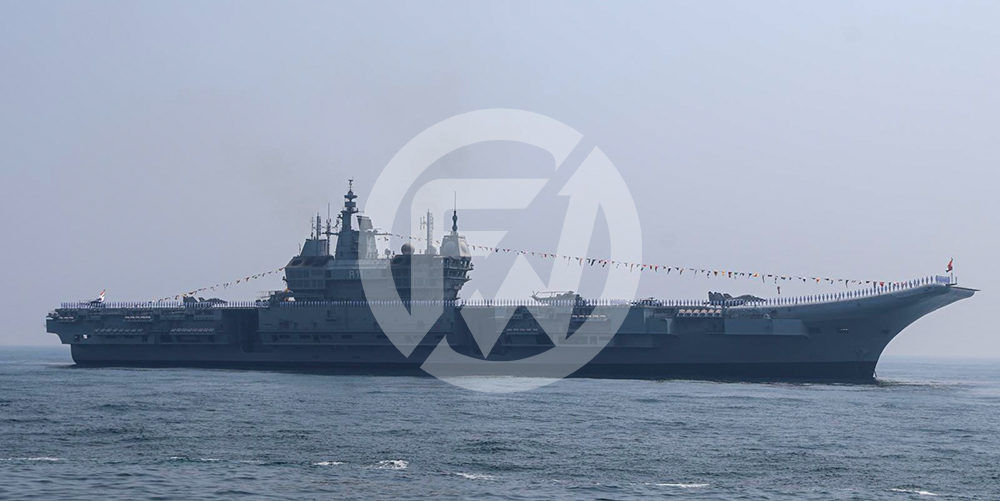
This strengthening process has also been accompanied by a gradual “Indianization” of the national defense industry as a whole. The fleet we saw deployed today includes newly designed and domestically built platforms, such as the aircraft carrier VIKRANT (the first built “in house” by the national shipyard in Cochin and the undisputed centerpiece of these days’ activities), the VISAKHAPATNAM-class guided missile destroyers, the NILGIRI-class/Project 17A frigates, and the ARNALA-class anti-submarine corvettes.
Indianization is part of the broader strategy promoted by Prime Minister Narendra Modi for a “self-reliant” and “resilient” India, a goal the country aims to achieve by 2047, marking the centenary of its independence. Achieving this objective remains highly complex, particularly for the Indian Navy, which is characterized by excessive fragmentation in its supply base, with a mix of Russian, Israeli, French, Italian and indigenous systems. This diversity has significant implications in terms of maintenance, logistics and, ultimately, overall fleet readiness.
Further details will follow in the coming days.
INS VIKRANT aircraft carrier.
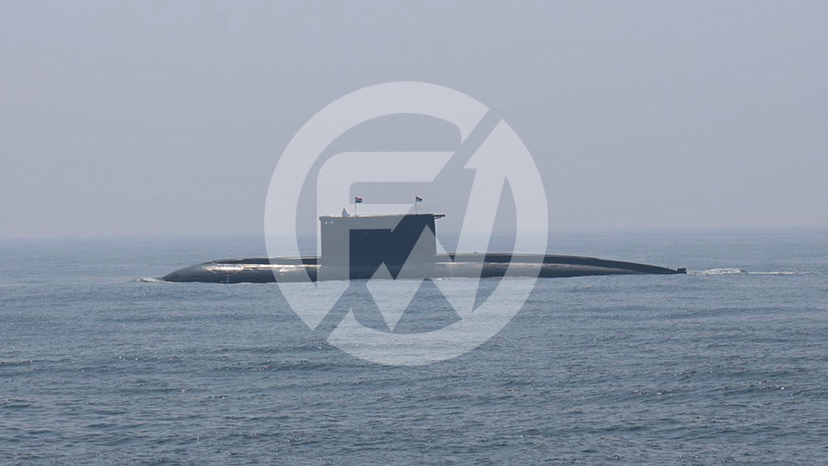
One of the eight SHINDUGHOSH-class submarines (Indian variant of the Russian KILO project).
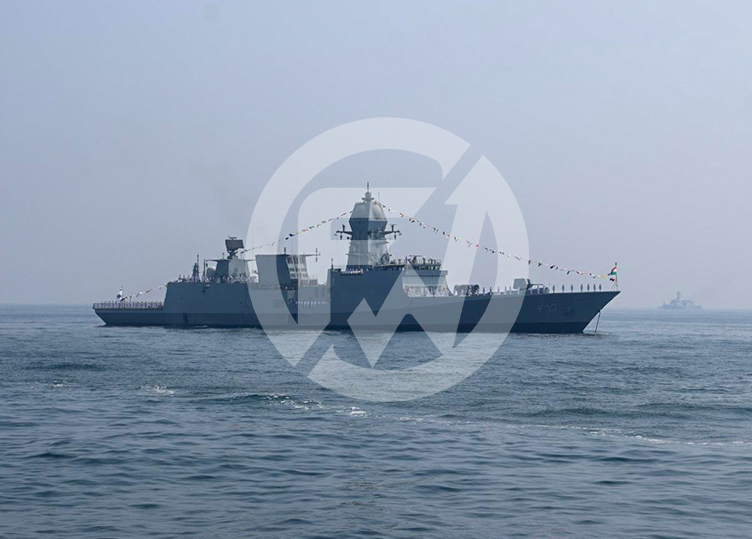
One of the NILGIRI-class/Project 17A frigates.
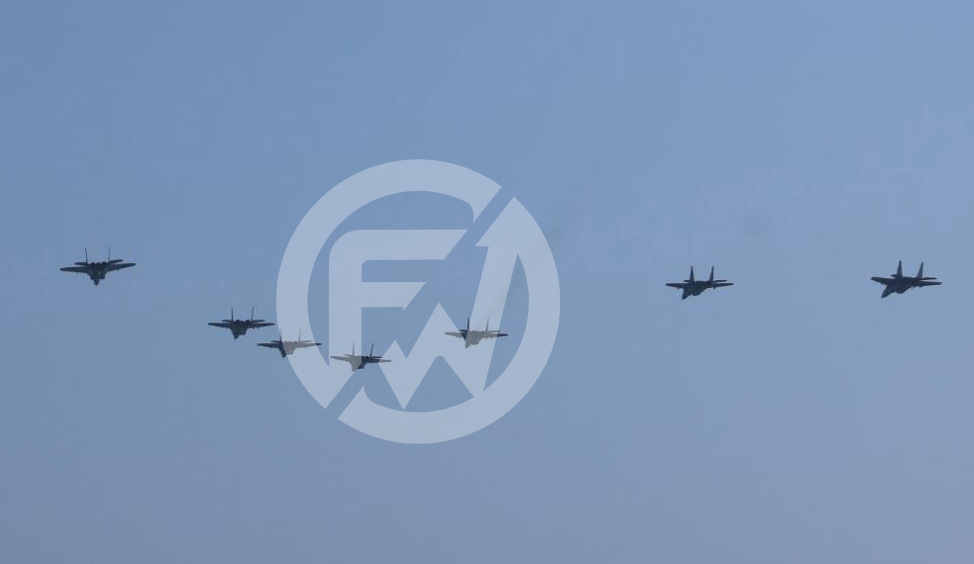
A formation of MiG-29K fighters from the Indian Naval Air Arm.
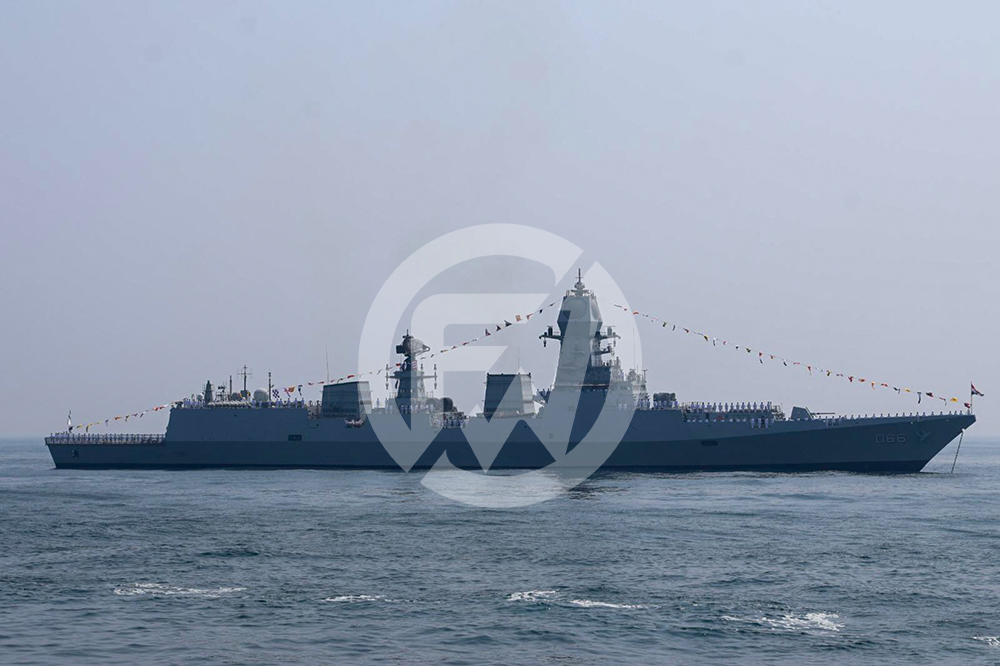
One of the VISAKHAPATNAM-class guided missile destroyers.




Privacy Policy

Powered by © Mobilbyte s.a.s. Information Technology